Wealth ·
Why Patience Is the Most Underrated Investment Strategy
Because time, not timing, creates real wealth
Free: the Financial Independence Starter Kit, a net worth tracker and FIRE calculator that show where you stand and when work could become optional.
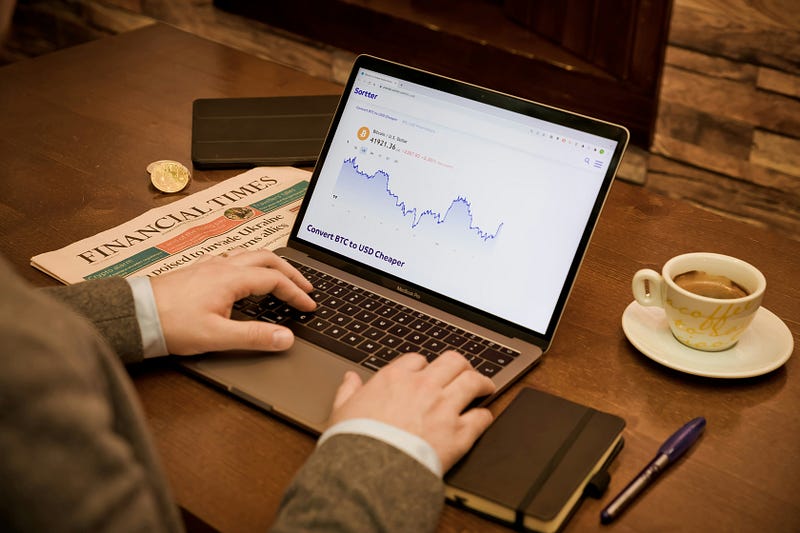
We live in a world that celebrates speed — fast profits, quick trades, and overnight success stories. But the truth is, the most powerful investment strategy isn’t about speed. It’s about patience.
Every new investor starts out looking for “what’s next”: the next big stock, the next crypto surge, or the next hot ETF. I was no different. When I first started investing, I wanted results right away. I’d check my portfolio daily, sometimes multiple times. If something was down, I felt I had to do something.
It took me years — and a few painful lessons — to understand that the market rewards consistency and patience more than timing and emotion.
Why Patience Matters More Than Perfect Timing
Timing the market sounds tempting. It feels like if you can just buy at the bottom and sell at the top, you’ll beat everyone else. But even professionals rarely do that successfully.
What actually works, over and over again, is staying invested. Letting compounding do its quiet magic while others panic or chase trends.
Warren Buffett once said,
“The stock market is a device for transferring money from the impatient to the patient.”
That’s not just philosophy — it’s math. A few extra years in the market can multiply your returns exponentially. Time in the market beats timing the market almost every single time.
Why Playing the Long Game Changes Everything
When you play the long game, the odds start working for you instead of against you. Short-term market movements are mostly noise — unpredictable and emotional. But over decades, the market has a direction: up.
The longer your money stays invested, the more time it has to recover from downturns, compound gains, and grow beyond what short-term thinkers can even imagine.
It’s like planting a tree — the real magic doesn’t happen in the first season. It happens quietly, year after year, until one day you realize you’ve built shade that lasts a lifetime.
Simply put: The longer you stay in the game, the higher your odds of achieving financial independence. Patience isn’t just a virtue — it’s a statistical advantage.
The Emotional Side of Patience
Being patient isn’t passive. It takes emotional strength. It means holding onto your plan even when headlines scream fear or greed. It means not comparing yourself to others who seem to be “winning” faster.
And sometimes, patience means doing nothing. That’s hard in a world where we’re told productivity equals movement. But in investing, the best action is often inaction.
How to Build the Patience Muscle

Patience isn’t something you’re born with — it’s a skill you train. Here are a few ways that helped me:
-
Focus on long-term goals, not short-term noise. Ask yourself: Will this matter in five years? If not, don’t let it drive your decisions.
-
Automate your investing. Automatic contributions take emotion out of the equation. You stay consistent no matter what the market does.
-
Track progress by years, not days. I used to check my portfolio every day. Now, I review it quarterly. It reduces stress — and helps me think like a long-term investor.
-
Allow a “fun” investing bucket. If you enjoy the adrenaline boost of chasing the market or picking speculative plays, there’s nothing wrong with that — as long as it’s no more than 5–10% of your portfolio. It keeps your curiosity alive without putting your long-term wealth at risk.
-
Keep learning. The more you understand market history and investor psychology, the easier it becomes to stay calm and patient through volatility.
My Personal Take
When I started investing, I made the same mistake many beginners make — trying to move fast. I’d chase short-term gains, react to every dip, and feel frustrated when things didn’t go my way.
Over time, I realized that building wealth isn’t a sprint; it’s a marathon. The investors who win are not the smartest or the fastest — they’re the ones who stay in the game.
Now, I invest with patience, focusing on consistency over excitement. And the results? They speak quietly, but powerfully — compounding has started to work for me, just like it has for every investor who trusts time.
Final Thoughts
Patience might not make headlines, but it builds legacies. It’s the invisible force behind every long-term success story in investing.
When you give your investments time to grow, you give yourself the best odds for real wealth creation. Wealth doesn’t come from predicting the next big move — it comes from staying invested long enough to let the math work in your favor.
As Charlie Munger said,
“The big money is not in the buying or selling, but in the waiting.”
So next time you feel the urge to react, pause and remember: Time is your greatest ally — use it wisely.