Mindset ·
What Stoicism Can Teach Us About Building Wealth
How ancient philosophy can make you a better investor today
Free: the Financial Independence Starter Kit, a net worth tracker and FIRE calculator that show where you stand and when work could become optional.
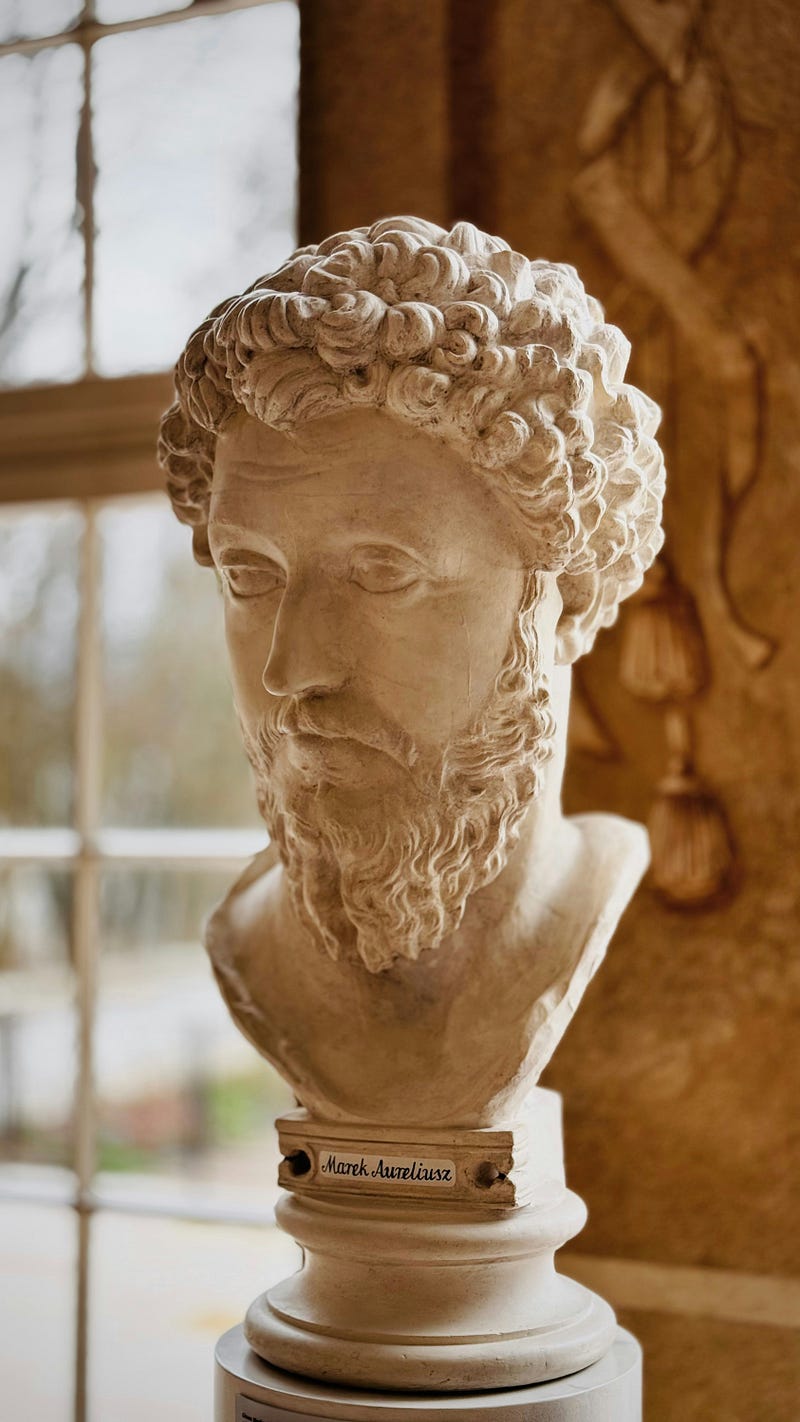
When most people hear the names Marcus Aurelius, Seneca, or Epictetus, the first thing that comes to mind is philosophy — not wealth building. Yet the principles that guided these Stoic thinkers more than 2,000 years ago are surprisingly aligned with what it takes to build long-term financial success in the modern world.
Both Stoicism and wealth building revolve around the same foundation: Focus on what you can control. Ignore what you can’t. Invest your time and energy wisely. Master your emotions. Stay disciplined.
If you want to build wealth, this ancient framework may be one of the most powerful mental models you can adopt.
As Marcus Aurelius wrote:
“You have power over your mind — not outside events. Realize this, and you will find strength.”
That strength is exactly what financial success requires.
Below is a practical analogy between core Stoic characteristics and how they directly apply to building wealth today.
1. Focus on What You Can Control
The Stoics believed that most human suffering comes from trying to control things outside our influence. Wealth building works the same way.
You cannot control:
-
The stock market
-
Interest rates
-
Inflation
-
The economy
-
What other people do
But you can control:
-
How much you save
-
How much you invest
-
What you invest in
-
Your spending decisions
-
Your financial habits
-
Your response to setbacks
When you anchor your strategy in controllables instead of predictions, you make smarter decisions and reduce unnecessary stress.
Stoicism teaches: “Do your best. Let go of the rest.”
The wealth-building version is: “Stay the course. Trust the process.”
2. Practice Emotional Resilience
Stoicism is essentially emotional training — learning to stay steady instead of reacting impulsively.
And if there’s one place where emotional resilience matters, it’s investing.
Without resilience:
-
People panic-sell during downturns
-
They jump into hype trends
-
They overreact to news
-
They change strategies too often
-
They abandon long-term plans
But when you train yourself to stay emotionally grounded, you make rational decisions even when the market is chaotic.
Stoics practiced “negative visualization” — mentally preparing themselves for adversity. Investors do something similar: they prepare mentally for volatility so it doesn’t break their strategy.
Emotional resilience is a wealth-building superpower.
3. Live with Virtue and Reason

Stoicism is built on four virtues: wisdom, courage, justice, and temperance.
When applied to financial life, these translate into:
-
Wisdom: Learning how money works; making informed investment choices
-
Courage: Taking calculated risks; investing even when fearful
-
Justice: Managing money responsibly; avoiding debt that harms your future self
-
Temperance: Avoiding overspending; resisting lifestyle creep
Building wealth isn’t only about numbers — it’s about character. It’s about the ability to make rational choices when emotions want to take over.
Seneca famously wrote:
“Wealth is the slave of a wise man and the master of a fool.”
Reason keeps your money working for you — not the other way around.
4. Maintain a Calm Demeanor
Calmness is a competitive advantage.
When markets drop, most people panic. When unexpected expenses appear, they stress. When setbacks happen, they quit.
Stoicism teaches calmness not as a personality trait, but as a deliberate practice.
Being calm helps you:
-
Avoid emotional mistakes
-
Think long-term
-
See opportunities others miss
-
Make decisions based on logic, not fear
Financial calmness isn’t passive — it’s strategic. It prevents you from sabotaging your own progress.
A calm investor stays committed, patient, and thoughtful — three ingredients that compound massively over time.
5. Act With Self-Discipline
If Stoicism had one superpower, discipline would be it.
And wealth building is discipline in action:
-
Saving consistently
-
Investing every month
-
Spending intentionally
-
Delaying gratification
-
Staying focused on long-term goals
Self-discipline is the bridge between where you are and where you want to be. It’s what turns knowledge into action and action into results.
The Stoics believed discipline was freedom — not restriction. And in personal finance, discipline is the freedom to build the life you want, without the stress of debt or financial insecurity.
Final Thoughts: Ancient Principles for Modern Wealth
Stoicism isn’t about suppressing emotions or living like a monk. It’s about creating a mental framework that allows you to live — and invest — wisely.
By applying Stoic principles, you build wealth the same way the Stoics built character: Through intention, consistency, and a commitment to excellence.
Focus on what you can control. Stay emotionally steady. Act with discipline. Think with reason. Move with calmness.
Your wealth — and your life — will grow from there.