Wealth ·
The Peace of Mind of Having an Emergency Fund: How I Built Mine (and How You Can Too)
It’s not about being rich — it’s about being ready.
Free: the Financial Independence Starter Kit, a net worth tracker and FIRE calculator that show where you stand and when work could become optional.
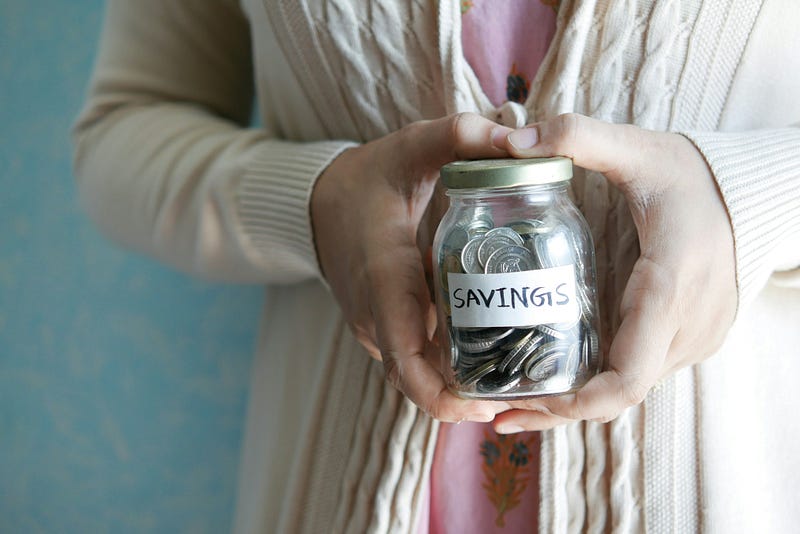
There’s a quiet kind of confidence that comes from knowing you’re financially prepared for the unexpected.
Life has a way of throwing surprises when you least expect them: a car repair, a medical bill, or an appliance that suddenly breaks down. And when those moments come, one thing separates peace from panic — your emergency fund.
The Day My Air Conditioner Got Broken
I’ll never forget the day my air conditioner stopped working in the middle of a scorching summer. The technician came, inspected it, and gave me the kind of news no one wants to hear: it needed a full replacement.
In the past, that would have sent me into panic mode. But this time, I felt calm.
Why? Because I had an emergency fund.
I simply paid with my credit card — with the added advantage of earning rewards — and then paid the statement balance in full, avoiding any interest charges. No sleepless nights, no high-interest debt, no stress. The emergency fund did exactly what it was supposed to do: protect my peace of mind.
What an Emergency Fund Really Means
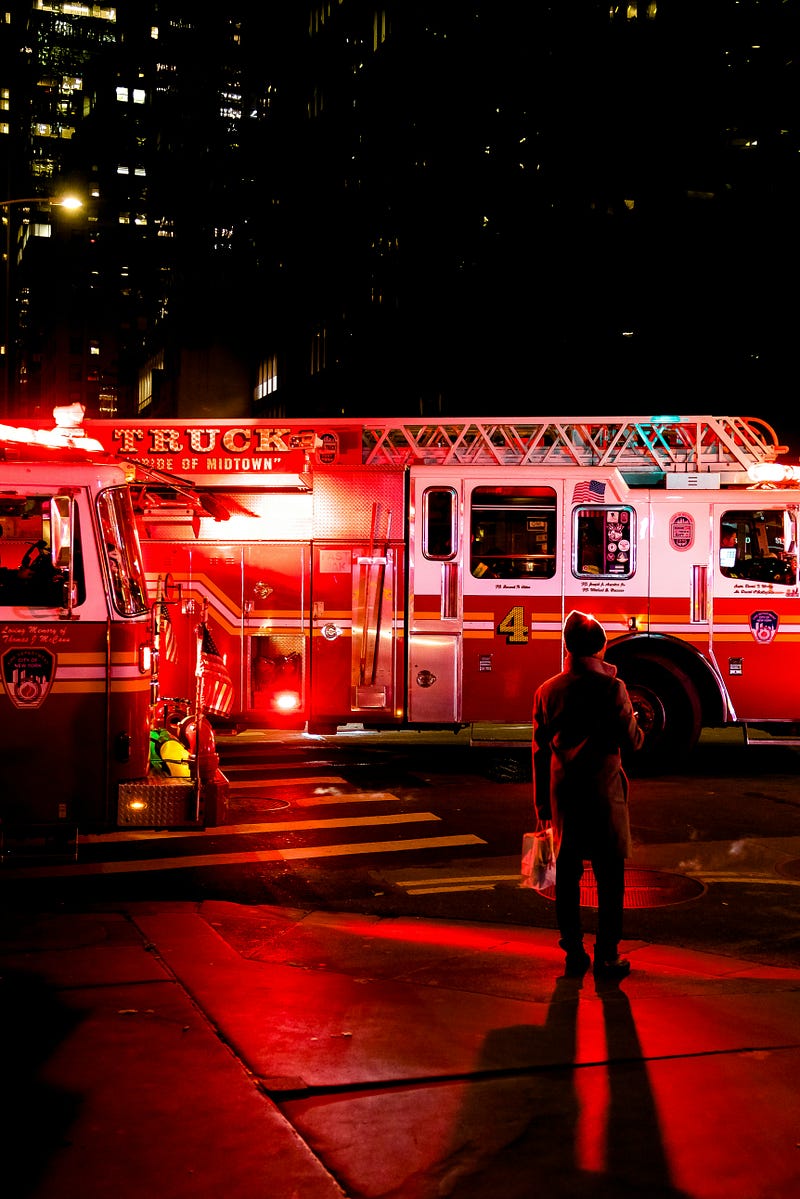
An emergency fund isn’t just a pile of cash sitting around. It’s your personal safety net — the financial cushion that turns a potential crisis into a minor inconvenience.
Instead of relying on credit cards or loans, you rely on yourself. That’s real financial independence.
Experts often recommend saving 3 to 6 months of living expenses, but if that number feels intimidating, start smaller. Even $500 or $1,000 can make a world of difference when life catches you off guard.
How I Built Mine (Step by Step)
Building an emergency fund doesn’t happen overnight — it happens with intention and consistency. Here’s how I did it:
1. I started small and automated it. I set aside $50 a week — an amount small enough not to notice, but big enough to grow.
2. I kept it separate. I opened a high-yield savings account, separate from my checking, so I wouldn’t be tempted to dip into it. Recently, I moved my emergency fund to a brokerage account invested in the ETF SGOV, which offers a higher interest rate and still allows the funds to be available within two days.
3. I replenished after using it. When I paid for my air conditioner replacement, I made it a rule to rebuild the fund month by month until it was back to full strength.
4. I increased it over time. Whenever I got a raise or a bonus, I boosted my contributions slightly — making sure my safety net grew with me.
Over time, those small, consistent steps turned into a powerful habit — and that habit became security.
Why It’s About More Than Money
An emergency fund isn’t just about dollars — it’s about freedom. It’s about sleeping well at night knowing one unexpected bill won’t derail your plans.
Without it, even small emergencies can push you into high-interest debt, trapping you in a cycle that slows down your path to financial independence. With it, you handle life’s surprises from a place of control and stability.
The Bottom Line
Your emergency fund is the foundation of financial confidence. It’s not glamorous, and it doesn’t make headlines — but it’s one of the smartest, most empowering things you can build.
Start small. Stay consistent. And build your safety net one deposit at a time. Because peace of mind — knowing you’re covered no matter what — is truly priceless.
As Morgan Housel wrote in The Psychology of Money:
“The ability to do what you want, when you want, for as long as you want, has an infinite return.”
And that’s exactly what an emergency fund buys you — freedom, not fear.