Wealth ·
Options Trading for Beginners: How I Use the Wheel Strategy in My FI Journey
Building income, managing risk, and reinvesting for long-term growth
Free: the Financial Independence Starter Kit, a net worth tracker and FIRE calculator that show where you stand and when work could become optional.
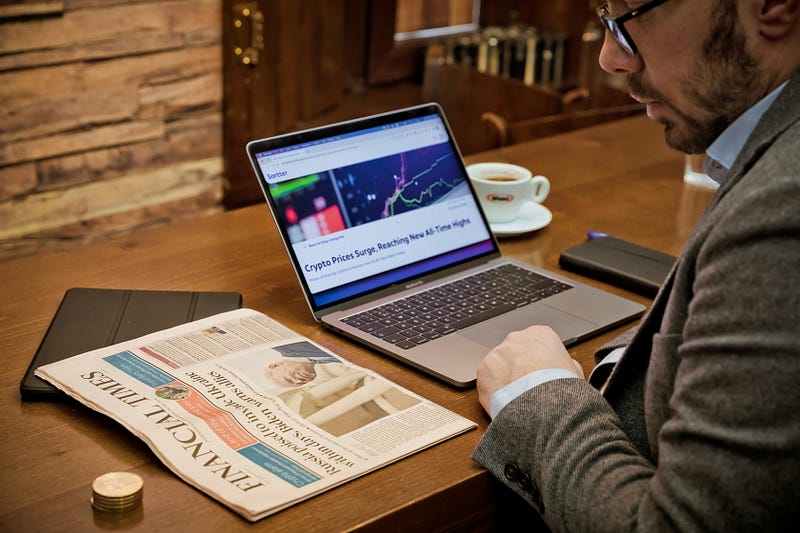
Options trading can feel overwhelming at first. Between calls, puts, strike prices, and expiration dates, it’s easy to assume this world is only for experts.
But at its core, options are simply financial tools. When used with discipline and a clear strategy, they can help you grow your account while managing risk.
One of the most beginner-friendly and structured approaches is The Wheel Strategy — and it has become a key part of my Financial Independence (FI) journey.
A Simple View of Options
The most basic way to use options is directional:
-
Buy a Call if you expect a stock or ETF to go up
-
Buy a Put if you expect it to go down
This approach uses leverage, meaning you can control more exposure with less capital. While powerful, leverage also increases risk — which is why having a structured strategy matters.
*“Risk comes from not knowing what you’re doing.” —*Warren Buffett
Why Risk Management Comes First
Leverage can accelerate gains, but it can also magnify losses. That’s where the Wheel Strategy stands out.
Instead of guessing short-term price movements, the Wheel focuses on:
-
Selling cash-secured puts
-
Owning quality stocks or ETFs
-
Selling covered calls
-
Generating consistent premium income
You’re not chasing quick wins — you’re building a system.
The Wheel Strategy in Simple Terms
The Wheel works best when you choose stocks or ETFs with strong fundamentals — assets you’d feel comfortable owning long term.
Here’s the basic cycle:
-
Sell a cash-secured put
-
If assigned, you buy the stock
-
Sell covered calls on your shares
-
Collect premium
-
Repeat
This creates a steady income stream while keeping risk controlled.
The Trade-Off: Capped Upside
One downside of covered calls is that they can limit your upside.
If a stock suddenly jumps higher, your gains may be capped at the strike price you chose. However, for many long-term investors, the steady income is worth that trade-off.
*“The goal of a successful trader is to make the best trades. Money is secondary.” —*Alexander Elder
How I Use the Wheel in My FI Journey

For me, the Wheel Strategy is not about speculation — it’s about building sustainable income.
I use it as part of my Financial Independence plan, where the focus is:
-
Consistent premium income
-
Controlled risk
-
Long-term growth
-
Emotional discipline
Instead of spending the premiums I collect, I reinvest them.
Reinvesting Premiums: VOO and SGOV
The premiums I earn from the Wheel don’t sit idle. I reinvest them into:
-
VOO — to capture long-term market growth
-
SGOV — to maintain stability and liquidity
This combination helps balance my portfolio:
-
VOO provides growth
-
SGOV provides safety
-
Options provide income
Together, they create a smoother and more predictable path toward financial independence.
The Power of Compounding
When you consistently reinvest your option premiums, something powerful happens.
Small weekly or monthly gains begin to stack. Over time, that steady reinvestment creates a snowball effect — accelerating portfolio growth without relying on risky bets.
Instead of chasing big wins, you build momentum through consistency.
Why the Wheel Is Beginner-Friendly
The Wheel Strategy offers:
-
Clear rules
-
Defined risk
-
Regular income
-
Long-term alignment
-
Less emotional decision-making
It shifts your mindset from gambling to structured investing.
Building Freedom One Step at a Time
Financial Independence isn’t about shortcuts. It’s about systems, patience, and discipline.
The Wheel Strategy allows me to:
-
Generate income
-
Reinvest consistently
-
Stay calm during market swings
-
Grow steadily over time
By combining options income with long-term ETFs like VOO and stability assets like SGOV, I’ve built a strategy that supports both growth and peace of mind.
Progress doesn’t need to be fast — it just needs to be steady.