Mindset ·
Learning From Failure: It’s Not Truly a Failure If You Learned Something
Why Failure Is a Hidden Teacher
Free: the Financial Independence Starter Kit, a net worth tracker and FIRE calculator that show where you stand and when work could become optional.
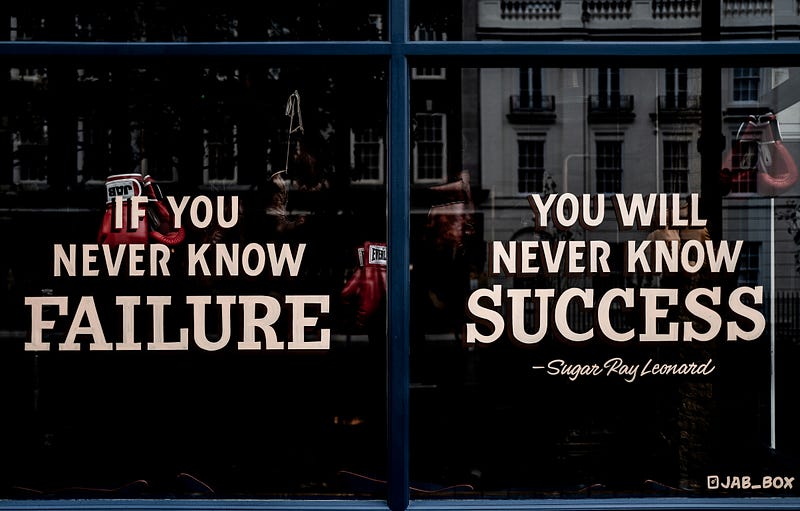
From an early age, we’re taught that failing is something to be avoided at all costs.
But here’s the truth: failure isn’t the opposite of success — it’s part of it.
The world’s greatest innovators and entrepreneurs have all stumbled, faced rejection, and even been publicly humiliated. The difference is that they didn’t stop there. They used those failures as stepping stones to build something extraordinary.
Failure feels painful because it forces us to confront our limits, assumptions, and sometimes our ego. But within that discomfort lies its true value: feedback.
Think of failure as nature’s most direct way of teaching you what doesn’t work. Each misstep provides data — insights that no textbook or course could ever give you.
Thomas Edison’s journey to invent the lightbulb is a perfect example. It took him over 10,000 attempts before he finally succeeded.
When asked about these “failures,” Edison famously replied:
“I have not failed. I’ve just found 10,000 ways that won’t work.”
For Edison, every attempt wasn’t a failure but a step closer to a breakthrough.
My Personal Lesson: Failing Forward in Financial Investments
Failure isn’t just something I’ve read about — it’s something I’ve experienced firsthand.
A few years ago, I made some financial investments that didn’t turn out as planned. I was eager and confident, but I lacked the experience and strategy to manage risk effectively.
The result? I lost a significant portion of my investment, and it felt like a major setback at the time.
Looking back, though, that experience was one of my greatest teachers. It forced me to slow down, educate myself, and approach investing more strategically.
Instead of chasing quick wins, I learned to focus on long-term, smarter financial decisions like:
-
Diversifying my portfolio
-
Avoiding emotional decisions driven by fear or hype
-
Prioritizing low-cost, high-quality investments
-
Building a strategy focused on sustainable growth
Those early losses were painful, but they gave me the insight and discipline I needed to create a stronger foundation for my future investments. Today, I approach every decision with more clarity and resilience because of what I learned through failure.
Entrepreneurs Who Turned Failure Into Success
You don’t have to look far to see how failure shapes greatness. Here are some inspiring examples:
1. Steve Jobs — Fired From His Own Company
Imagine building a company from scratch — only to be fired from it.
That’s exactly what happened to Steve Jobs in 1985 when Apple’s board of directors forced him out.
Most people would have given up or disappeared into obscurity. Jobs did the opposite.
He went on to create NeXT, which was later acquired by Apple, and Pixar, which revolutionized the animation industry with films like Toy Story.
When Jobs returned to Apple in 1997, he applied everything he learned during his time away, ultimately transforming Apple into one of the most valuable companies in the world.
Jobs’ story proves that failure isn’t the end — sometimes, it’s a necessary detour toward greater success.
2. Sam Walton — Early Setbacks Before Building Walmart
Before founding Walmart, Sam Walton faced a crushing setback.
One of his first stores was a Ben Franklin franchise, where he invested all his energy and savings. The store was thriving, but when his lease expired, the landlord refused to renew it — essentially taking over the very business Walton had built.
Most people would have been devastated, but Walton didn’t quit. Instead, he took the painful lesson to heart: always control the foundation of your business.
Armed with that experience, he opened the first Walmart in 1962, focusing on low prices and underserved rural communities. That vision turned Walmart into a global retail empire.
Walton later said that early failure was one of the most pivotal learning experiences of his life.
3. Oprah Winfrey — Fired for Being “Unfit for TV”
Before she became a global media icon, Oprah Winfrey was fired from her first job as a TV news anchor. She was told she was “unfit for television.”
Instead of letting that rejection define her, Oprah used it as motivation to create something better. Her eventual talk show, The Oprah Winfrey Show, became one of the most influential programs in history, launching a media empire.
Oprah’s story is a powerful reminder: sometimes failure is simply a sign you’re meant for a different path.
A Powerful Perspective on Failure
In leadership and business, the weight of failure can feel overwhelming. Winston Churchill reframed it perfectly when he said:
“Success is not final, failure is not fatal: it is the courage to continue that counts.”
Neither success nor failure is permanent. What truly matters is your resilience and willingness to keep going.
Leaders who embrace this mindset don’t see failure as a verdict, but as a checkpoint on the road to progress.
Reframing Failure: A Practical Approach
Here’s how you can turn failure into progress instead of regret:
1. Pause and Reflect
Right after a setback, emotions run high. Take time to breathe and separate facts from feelings.
2. Extract the Lesson
Ask yourself:
-
What specifically went wrong?
-
What can I do differently next time?
-
Which assumptions turned out to be false?
Writing these answers down turns failure into a tool for growth rather than a source of shame.
3. Iterate and Improve
Like Edison, take what you’ve learned and apply it to your next attempt. Each failure should lower your chances of repeating the same mistakes.
Why Failing Fast Matters for Entrepreneurs
The most innovative startups embrace the “fail fast” mindset.
Instead of clinging to an idea out of pride, they test, fail, learn, and pivot quickly.
This approach:
-
Saves time and money
-
Speeds up innovation
-
Reduces the emotional toll of failure
Failure becomes data, not defeat.
The True Definition of Failure
Failure isn’t about falling down — it’s about staying down.
The only true failure is refusing to learn, refusing to grow, and giving up entirely.
As Edison, Jobs, Walton, Oprah — and even my own financial journey — show, the path to success is built on a mountain of failures.
So the next time you fall short, ask yourself:
-
What lesson is hidden here?
-
How can I use this experience to become better?
Key Takeaways
-
Failure = Feedback: It’s data, not a final judgment.
-
Learn, Don’t Linger: Reflect, extract lessons, and move forward.
-
Resilience Wins: The courage to continue matters more than a single success or failure.
-
Reframe Failure: See it as a stepping stone to future success.
Closing Thought
Thomas Edison’s legacy reminds us that failure isn’t the enemy — it’s part of the process.
Every attempt brings you closer to mastery, as long as you keep moving forward.
“I have not failed. I’ve just found 10,000 ways that won’t work.” — Thomas Edison
Fail forward. Fail fast. And most importantly, fail with purpose.