Wealth ·
Is Credit Card Churning Every 2 Years a Smart Strategy?
How to earn thousands in bonuses without damaging your credit — or your discipline
Free: the Financial Independence Starter Kit, a net worth tracker and FIRE calculator that show where you stand and when work could become optional.

At some point, most people hear about credit card bonuses and wonder:
“Is this actually worth it?”
The short answer is yes — but only if you approach it with a plan.
Taking advantage of a credit card sign-up bonus every two years can be a smart, repeatable strategy to generate extra cash, travel rewards, or points. But like any financial tool, it comes with trade-offs.
If you do it right, it can feel like free money. If you do it wrong, it can quietly damage your credit and finances.
What Is Credit Card Churning (In Simple Terms)?
Credit card churning is the practice of:
-
Opening a credit card
-
Earning the sign-up bonus
-
Then closing or downgrading the card
-
Repeating the process over time
Instead of using credit cards randomly, you’re using them strategically.
Why a 2-Year Cycle Makes Sense
Many major issuers like Chase and Citibank have rules that limit how often you can earn a bonus on the same card — typically every 24 to 48 months.
That’s why a two-year cycle works well:
-
It aligns with issuer rules
-
It reduces excessive credit inquiries
-
It keeps your strategy sustainable long term
However, not all issuers are the same. For example, American Express often limits bonuses to once per lifetime per card, which requires a more careful selection strategy.
When This Strategy Works Best
The key is simple: Never spend money just to earn a bonus.
Instead, align the bonus with expenses you already plan to make:
-
A large purchase
-
Paying car insurance in full
-
Travel bookings
-
Annual bills
This way, you meet the spending requirement without changing your behavior.
The Real Advantage: Timing the Bonus
Not all bonuses are created equal.
Sometimes, the same credit card:
-
Offers $200 during normal periods
-
Jumps to $500 or $750 during promotions
In some cases, the bonus can be 10x more valuable than regular spending rewards.
That’s why patience matters.
Before applying, decide:
-
What is the minimum bonus you’re willing to accept? (e.g., $500, $750, or $1,000+)
-
Are you applying at the best available offer, or just the current one?
The Credit Score Impact (Don’t Ignore This)
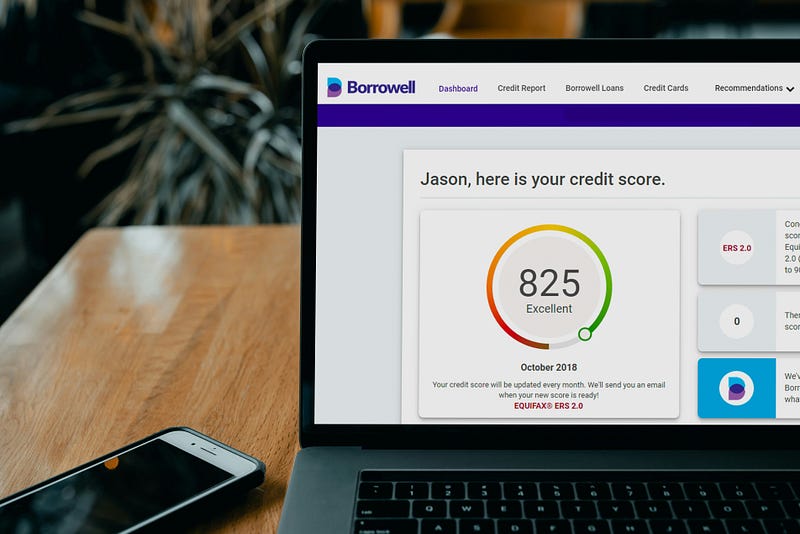
Every time you apply for a credit card:
-
A hard inquiry is added to your credit report
-
It can stay there for up to two years
This doesn’t mean your score will collapse — but it does mean you need to be strategic.
You should avoid this strategy if:
- You plan to apply for a mortgage, car loan, or major credit soon
As Dave Ramsey often emphasizes:
“You must gain control over your money, or the lack of it will forever control you.”
The same applies to credit — use it intentionally.
Key Rules to Follow (This Is Where Most People Slip)
1. Track your timeline carefully
Keep a record of:
-
When you opened the card
-
When you received the bonus
This helps you know exactly when you’re eligible again.
2. Don’t cancel blindly
Instead of canceling a card:
- Consider downgrading to a no-fee version
This helps:
-
Preserve your credit history
-
Maintain a higher average account age
3. Always pay in full
Carrying a balance destroys the value of any bonus.
Interest charges will quickly outweigh any rewards you earn.
4. Hit the minimum spend — responsibly
Make sure you can meet the requirement:
-
Without overspending
-
Without creating unnecessary purchases
The Hidden Risk Most People Miss
The biggest risk isn’t the credit score.
It’s behavior.
This strategy only works if you:
-
Stay disciplined
-
Avoid lifestyle inflation
-
Treat bonuses as a side benefit, not a reason to spend
Without that discipline, churning turns from a strategy into a trap.
How Much Can You Realistically Earn?
If you take a conservative approach:
-
1 bonus every 2 years
-
$500 to $750 per bonus
That’s:
- $250 to $375 per year on average
If done strategically across multiple cards and issuers, this can scale to thousands— but only if managed carefully.
A Practical Way to Think About It
Think of credit card churning as:
-
Not a hustle
-
Not a loophole
-
But a structured system to capture value from expenses you already have
As Warren Buffett said:
“Do not save what is left after spending, but spend what is left after saving.”
In this case, earn rewards on what you were already going to spend.
What Actually Matters
Taking a credit card bonus every two years is a viable long-term strategy.
It works because:
-
It aligns with issuer rules
-
It minimizes risk
-
It keeps your credit profile stable
But the real edge is not in the bonus itself.
It’s in your ability to:
-
Plan ahead
-
Stay disciplined
-
Think long term
Do that, and this simple strategy can quietly add thousands of dollars to your financial life over time.
Towards Finance
Thank you for being part of the TF community.
-
📚 View more content in the Towards Finance publication.
-
📈 Join thousands of investors and entrepreneurs to maximize your success by subscribing to our newsletter.
-
🤝🏽 Follow us on X and LinkedIn for more finance and business content.